Engineering Excellence in Waste Management: A Comparative Analysis of HICLOVER Waste Incinerators
The rise in environmental consciousness has placed a spotlight on waste incinerators as a crucial element in modern waste management strategies. Among the leading manufacturers of these systems is HICLOVER, known for its portable waste incinerator designs that align with international standards. With operational temperatures often exceeding 850°C and ensuring compliance with WHO emission guidelines, HICLOVER’s incinerators are engineered for reliability and efficiency. This article delves into the technical specifications and engineering principles that set HICLOVER apart from other players in the market, including prominent manufacturers from regions like Botswana, Seychelles, and Guinea.
Understanding Waste Incineration Technology
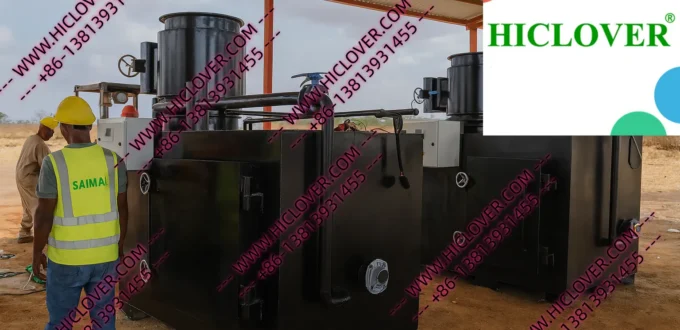
Incineration has become a preferred method for waste disposal due to its ability to significantly reduce waste volume while minimizing land use. The fundamental principle of waste incinerators involves the combustion of waste at high temperatures, resulting in gas emissions and ash residue. HICLOVER’s incinerators employ a dual-chamber combustion system, designed to ensure complete combustion and high emissions control. The primary chamber achieves the initial combustion process, while the secondary chamber maintains temperatures above 1,000°C to further oxidize harmful gases, thus meeting stringent environmental regulations.
For instance, in regions where medical waste is a concern, such as in the operations of a Guinea medical incinerator manufacturer, the need for efficient management of biohazardous materials is paramount. HICLOVER’s systems are engineered to handle such waste types, equipped with technology that meets the rigorous temperature standards necessary for effective pathogen destruction.
Technical Specifications
HICLOVER’s waste incinerators are equipped with advanced features that cater to various operational needs. The dual combustion chambers ensure that the incinerator achieves high temperature retention, which is essential for the thorough breakdown of toxic compounds. Additionally, the use of both wet and dry scrubbers provides flexibility in emission control, allowing operators to select the most efficient method based on their specific waste profile.
Another significant advantage of HICLOVER’s designs is their automation capabilities. The incorporation of Programmable Logic Controller (PLC) systems allows for seamless monitoring and control of the combustion process. This feature is particularly beneficial in remote operations, such as those found in remote mining or oil camps, where manual oversight may be limited.
Comparative Analysis: Fixed vs. Mobile Incinerators
A critical consideration in waste management is the choice between fixed and mobile incinerators. HICLOVER’s mobile incinerator designs offer distinct advantages in flexibility and accessibility. They can be deployed rapidly in crisis zones and humanitarian camps, effectively addressing waste disposal needs in emergency situations. The modular systems are designed for plug-and-play functionality, allowing for quick setup and operation.
In contrast, fixed incinerators typically have larger capacities and can be more efficient for stable operations. However, their deployment requires significant infrastructure investment and time. The mobile incinerator design from HICLOVER meets the requirements of decentralization in waste management, an increasingly advocated approach that aligns with the global push for energy recovery systems and sustainable practices.
Environmental Compliance and Emission Control
As environmental regulations tighten globally, compliance with emission standards is non-negotiable. HICLOVER’s incinerators are designed with multiple emission control technologies, ensuring that they adhere to EU and WHO standards. The choice between wet and dry scrubbers allows operators to optimize control based on operational conditions. This adaptability is critical for manufacturers operating in markets such as Botswana and Seychelles, where regulatory frameworks are evolving.
Moreover, the increasing pressure for carbon emission reduction emphasizes the importance of efficient combustion systems. HICLOVER has positioned its technologies to not only meet but exceed these requirements, demonstrating a commitment to environmental stewardship.
Supply Chain and Manufacturing Capabilities
HICLOVER offers factory direct supply, which enhances supply chain stability and reduces lead times. Their manufacturing capabilities in China enable them to produce customizable systems tailored to specific client needs. This flexibility extends to chamber volume options, ensuring a tailored approach for various waste types and volumes.
With a robust engineering experience, HICLOVER stands out by providing not just standard solutions but also bespoke designs to cater to unique operational challenges faced by industries across different regions. Their global export capability ensures that clients around the world can benefit from advanced waste incineration technologies.
Practical Considerations for Users
For end-users, the selection of a waste incinerator must consider several factors, including operational capacity, emissions, and ease of use. HICLOVER has been proactive in integrating user-friendly features into its incinerator designs. The mobile units, for example, come equipped with intuitive controls, making them accessible even for users with limited technical expertise.
Ultimately, the decision between different types of incinerators should factor in both immediate and long-term waste management needs. HICLOVER’s focus on modular designs and technological advancements ensures that users are well-equipped to handle the evolving challenges of waste disposal.
Conclusion and Future Trends in Waste Management
The future of waste management lies in increasingly efficient, sustainable, and technologically advanced solutions. HICLOVER’s commitment to engineering excellence and innovation positions it well to meet the demands of modern waste management. The integration of advanced emission control technologies not only ensures regulatory compliance but also aligns with global initiatives focused on reducing carbon footprints.
As the world grapples with the complexities of waste disposal in crisis zones and the demands of decentralized waste management, manufacturers like HICLOVER are setting the standard for what is possible in waste incineration technology. For more information on HICLOVER’s offerings and to explore their full range of waste incineration solutions, visit their website at HICLOVER.